Bali Belly: What to Buy at the Pharmacy, How to Rehydrate, and When to Go to Hospital
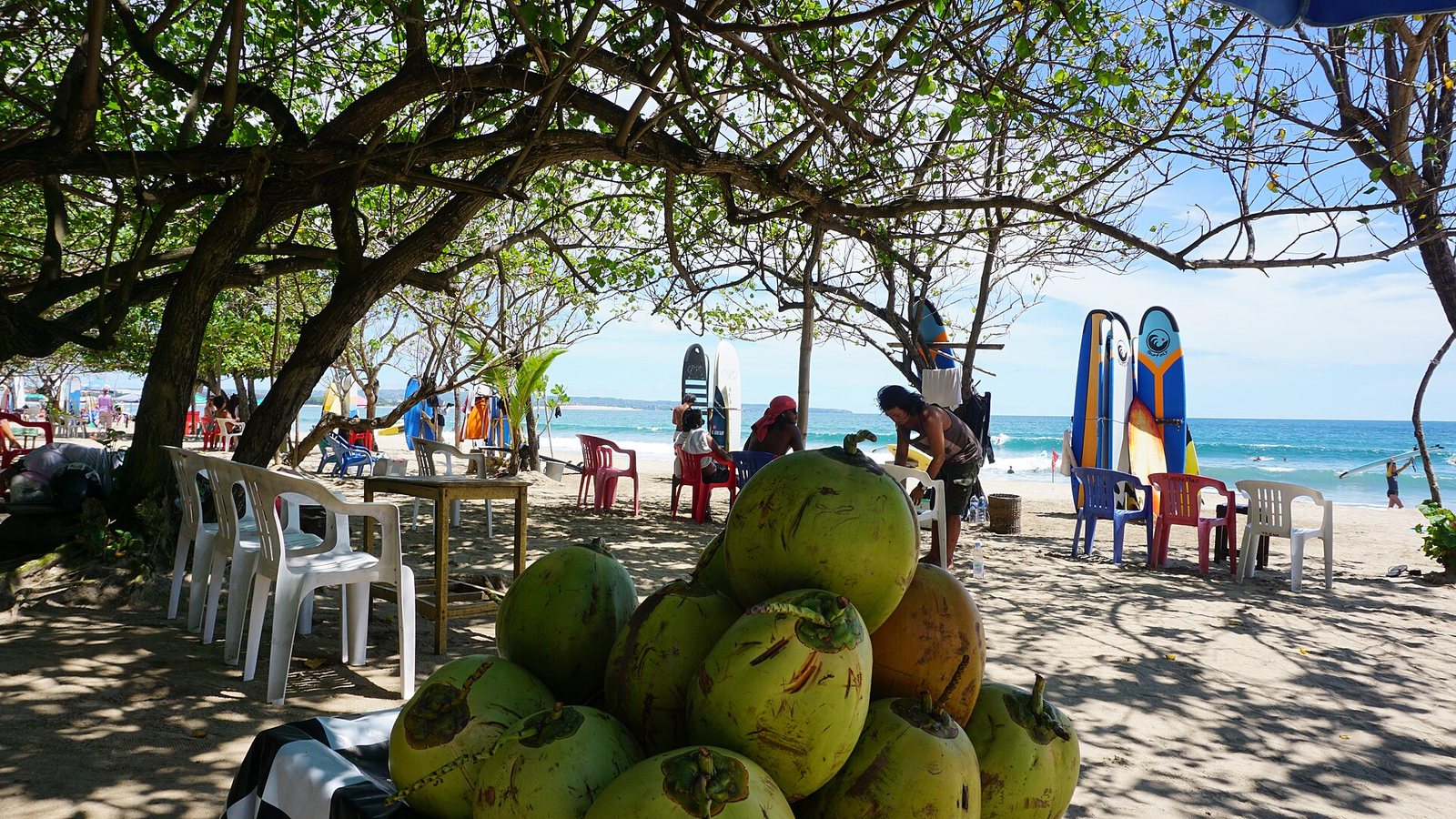
A coconut stall on Kuta beach. Photo: Tia Agustina wati, Wikimedia Commons (CC BY-SA 4.0).
This guide contains affiliate links. If you book through them we may earn a small commission, at no extra cost to you. How we make money
Bali belly is the nickname for traveller’s diarrhoea picked up in Bali. It is not a diagnosis. It is a stomach bug, usually bacterial or viral, that arrived in food, water or ice.
Most cases are over in 1 to 3 days. What matters is how you spend those days: what you drink, what you buy, and the point at which you stop managing it yourself and see a doctor.
What are the symptoms of Bali belly?
Sudden watery diarrhoea, cramping stomach pain, nausea or vomiting, and a low fever. Add tiredness and no appetite. It usually starts between 6 hours and 2 days after the meal that caused it.
Day one is the worst. Day two is lighter. If day three looks the same as day one, it’s time to get it checked.
What causes it?
Tap water and ice made from it, undercooked meat or seafood, washed salad that sat around, and hands. Bali’s tap water isn’t safe to drink, and that includes brushing your teeth.
Ice needs a small distinction. The cylindrical ice with a hole through the middle, used in most cafes and restaurants, is made in factories from treated water and is generally fine. Ice a warung froze itself in a tray is the one to skip. Bottled water with the seal intact only.
What should you do at the hotel?
The goal is to prevent dehydration, not to stop the diarrhoea. The diarrhoea is your body clearing the infection. Blocking it early can make the whole thing last longer.
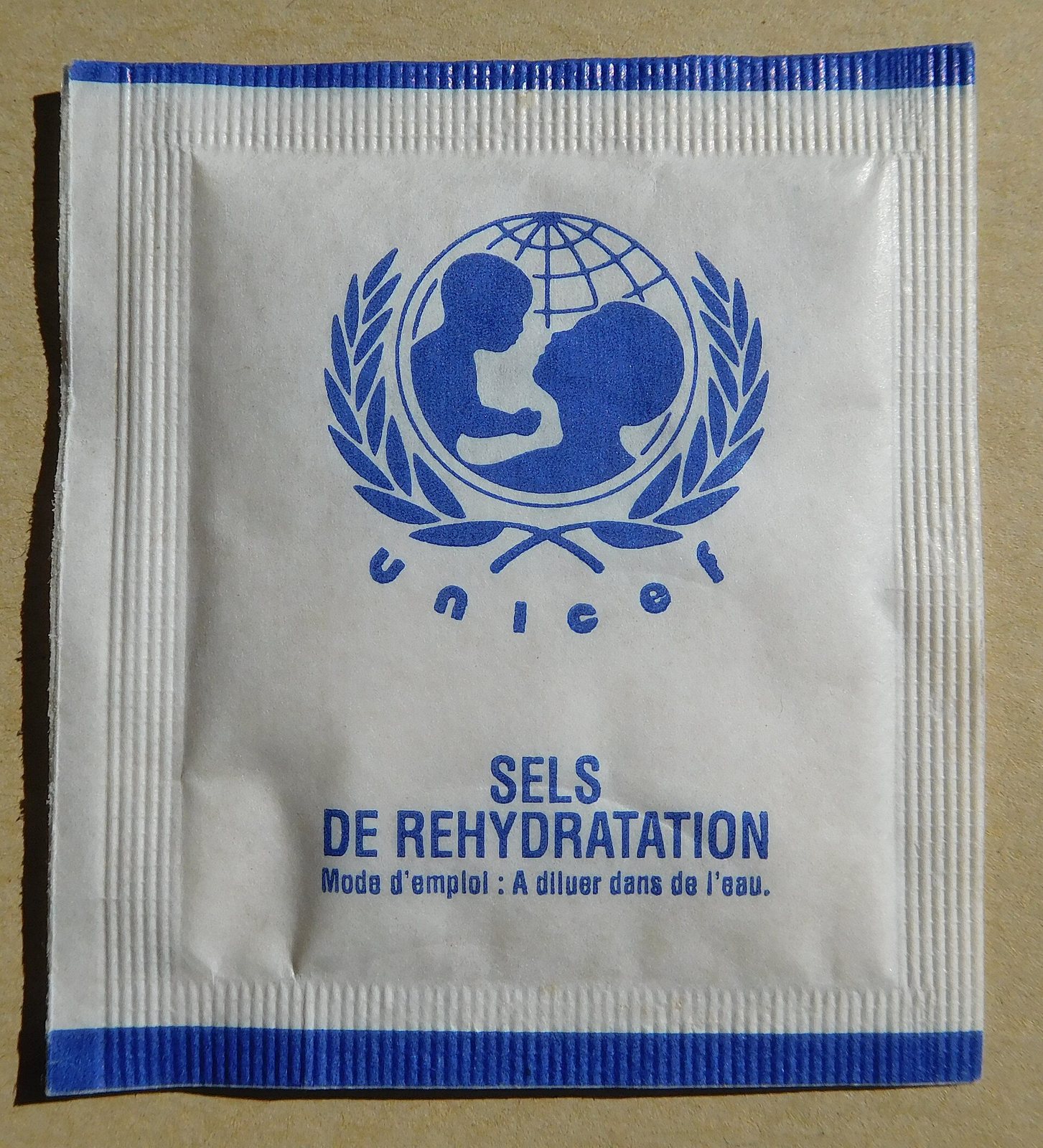
Start with oral rehydration salts. At a pharmacy, ask for Oralit. A sachet costs about IDR 10,000, under a dollar. Dissolve one in 200 ml of boiled water that has cooled, and sip it steadily. Not hot water. A rough rule is one glass for every loose stool.
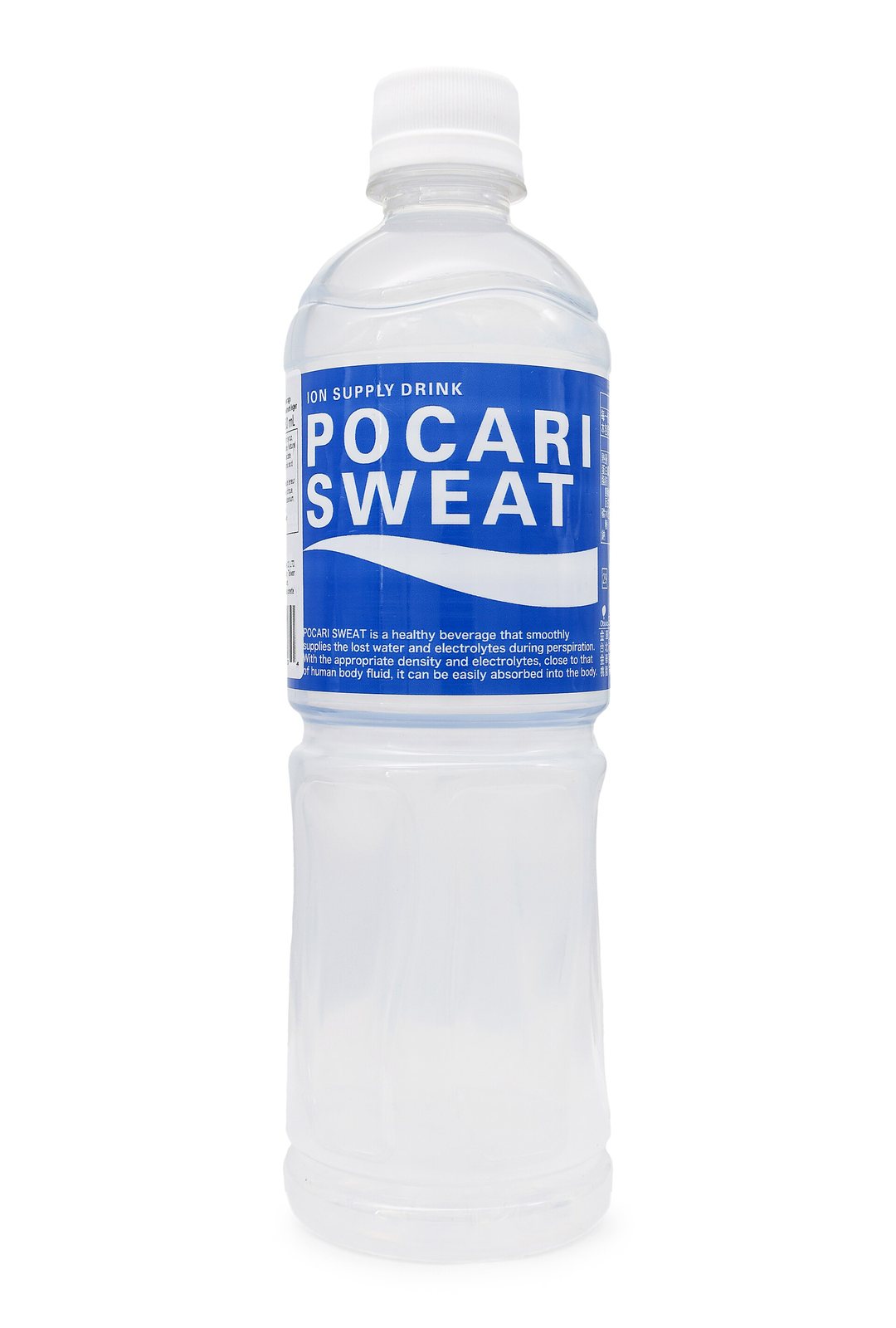
Next, Pocari Sweat. Every Indomaret and Alfamart minimart stocks it. It carries fewer electrolytes than Oralit but it tastes of something, which helps when you’re nauseous. Find the nearest minimart before you need it.
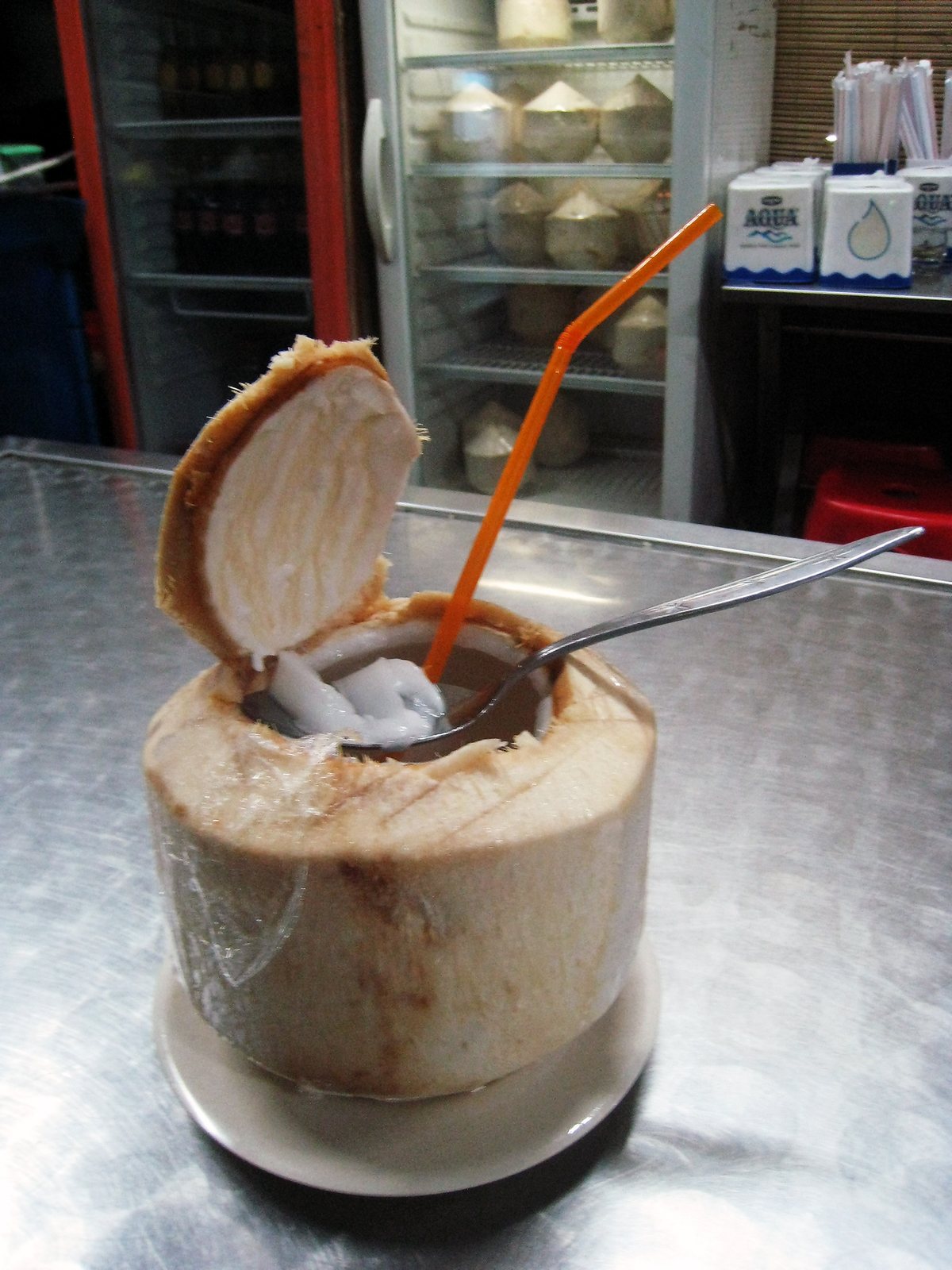
Then coconut water. Young coconuts, kelapa muda, are sold at stalls and warungs everywhere. The water inside an unopened coconut is clean and carries potassium. Use a wrapped straw.
Eat plain things: rice porridge (bubur), bananas, white bread, boiled potato. No fried food, coffee, alcohol or dairy until you’re better.
What can you buy at a Bali pharmacy?
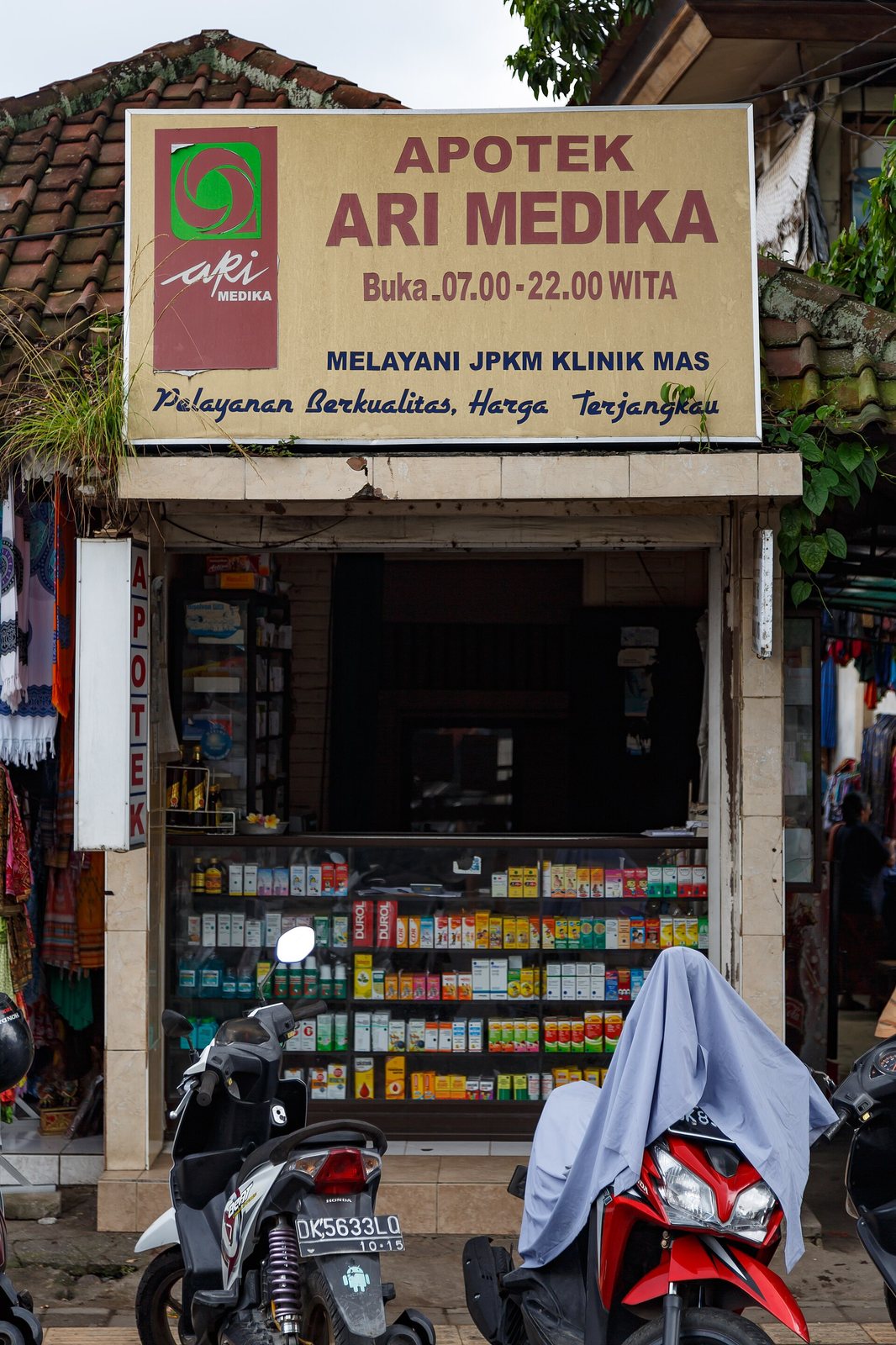
The two chains you’ll see everywhere are Kimia Farma and Guardian. Kuta, Seminyak, Canggu and Ubud all have several within walking distance, and some branches are open 24 hours.
Over the counter, these are the usual purchases.
Oralit is the rehydration powder described above.
Entrostop is an adsorbent anti-diarrhoeal. Diapet is a herbal one based on guava leaf; Diapet NR adds activated charcoal and attapulgite. Both are what locals reach for first.
Norit is activated charcoal in tablet form. It turns stools black, which is harmless.
Paracetamol covers fever and cramps. If you brought your own, use that.
Loperamide (Imodium) is the one to be careful with. Don’t take it if you have a fever or blood in the stool. It stops the gut moving, which in a bacterial infection keeps the bacteria inside you. Save it for the situation where you must get through a flight.
Don’t self-prescribe antibiotics. Some pharmacies will hand them over, but without knowing the cause they can be useless or make things worse. That’s a doctor’s call.
When should you go to hospital?
Any one of these means a clinic or hospital rather than a pharmacy.
A fever over 38°C. Blood or mucus in the stool. Diarrhoea past the third day. Dizziness on standing, or very little urine that is dark. Vomiting so persistent you can’t keep fluids down. And any of the above in a child, an older traveller or someone with a chronic condition.
If you’re unsure, go. A night in a hotel bathroom costs you a day of the trip and slows your recovery. An IV drip at a clinic usually has you back at the hotel in half a day. Dehydration gets harder to fix the longer you leave it.
Which hospital, and what does it cost?
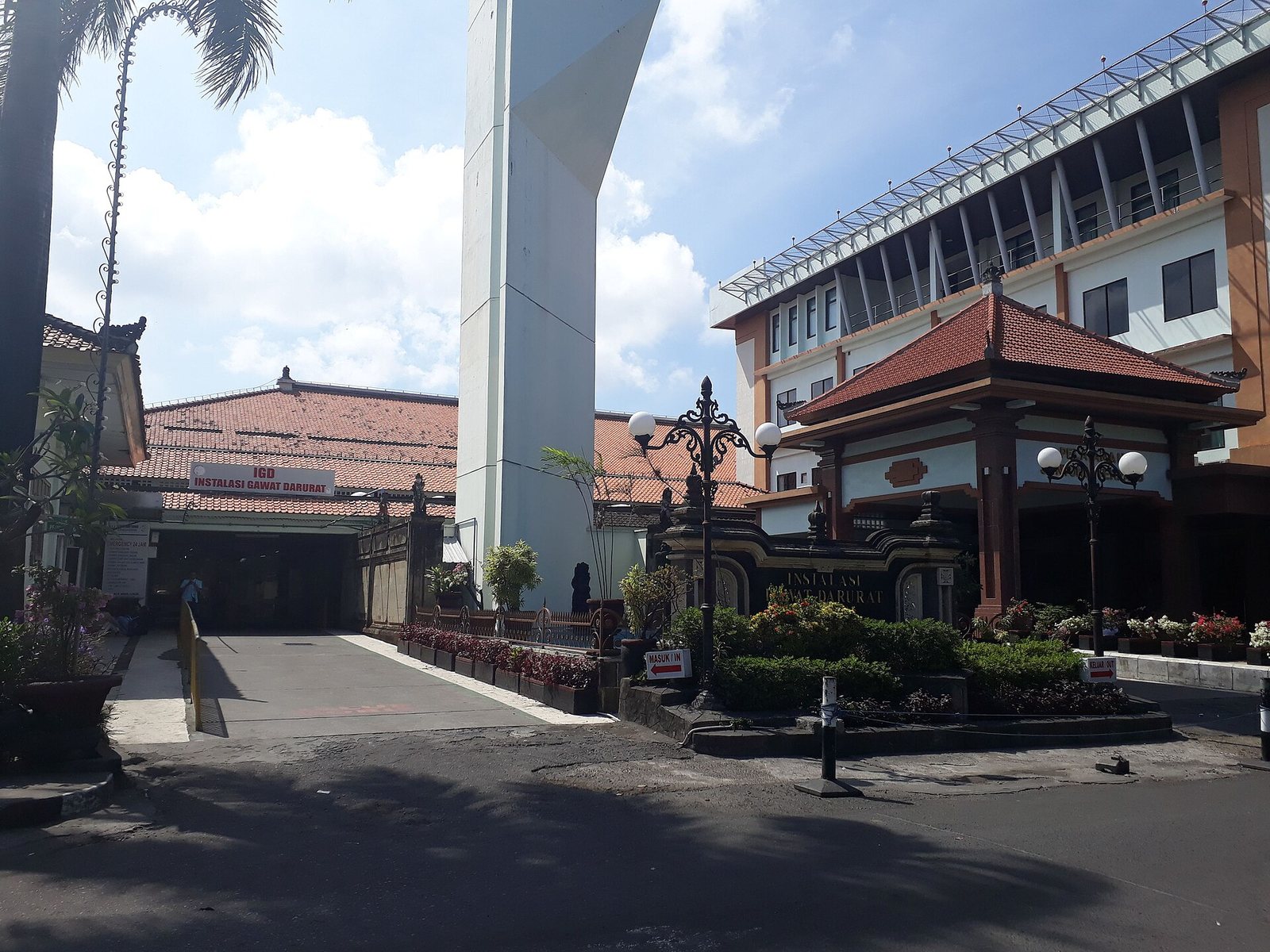
Visitors mostly use the international hospitals. BIMC Hospital has branches in Kuta and Nusa Dua with 24 hour emergency departments. Siloam Hospitals and Kasih Ibu have sites around Denpasar. English is spoken and they handle insurance paperwork daily.
Two things to know. International hospitals commonly ask for payment before treatment, so bring a card. And a consultation plus IV fluids can pass US$75 to US$150 before anything else is added. Admission is a different order of cost.
If you can’t face the car, there are home-visit IV services that send a nurse or doctor to your villa or hotel, booked over WhatsApp. As one example of pricing, Trishnanda Care Centre lists a nurse call-out at IDR 175,000 and a doctor’s visit at IDR 550,000 in most of south Bali, with the drip package charged on top. Prices vary between providers, so ask for the total before you confirm.
How does travel insurance fit in?
Buy it before you fly. You can’t take out a policy once you’ve landed. Make sure it covers overseas medical treatment with a limit that would survive an admission.
For a claim you need three documents: the medical report, the itemised bill and the receipts. Ask the hospital desk for insurance paperwork in English, photograph everything the moment you get it, and keep pharmacy receipts too.
You will be on the phone to the insurer at some point, so make sure you have data. If you arrived without a SIM, an eSIM is the first thing to sort on the way to the clinic.
See the Telkomsel eSIM on Klook
How do you avoid it?
Sealed bottled water only, including for teeth. Factory ice only. Meat and seafood cooked through. Salad only at busy places. Hand sanitiser before eating.
You can still get it. If you do: Oralit and Pocari on day one, a doctor if it passes day three. Those two lines cover most of it.
FAQ
How long does Bali belly last?
Usually 1 to 3 days. The first day is the worst and it eases from the second. If it runs past 3 days or comes with a fever, see a doctor to find out what is causing it.
What should I buy at a pharmacy in Bali for diarrhoea?
Oralit rehydration sachets, Entrostop or Diapet for the diarrhoea, Norit activated charcoal, and paracetamol for fever and cramps. All of them are sold over the counter at Kimia Farma and Guardian. Don't buy antibiotics without a doctor's diagnosis.
Does Pocari Sweat or coconut water help?
Yes. Both are easy to find and better than plain water because they carry electrolytes. If you can't keep anything down or feel faint, that is the point at which you need an IV drip at a clinic, not another bottle.
When should I go to hospital with Bali belly?
Fever above 38°C, blood or mucus in the stool, diarrhoea lasting more than 3 days, dizziness or very little dark urine, vomiting that stops you drinking, or if the sick person is a child, elderly or has a chronic illness.
How much does a hospital visit cost in Bali?
International hospitals often ask for payment before treatment. A consultation plus IV fluids can pass US$75 to US$150, and admission costs far more. Home-visit IV services exist too; one provider charges IDR 175,000 for a nurse call-out and IDR 550,000 for a doctor in south Bali, with the drip itself priced separately.
What paperwork does travel insurance need?
A medical report, the itemised bill and the receipts. Ask the hospital desk for insurance documents in English, photograph everything, and keep pharmacy receipts too. The policy has to be bought before you leave home.