Ubud Monkey Forest Tickets, Hours and the Rules That Keep Your Sunglasses
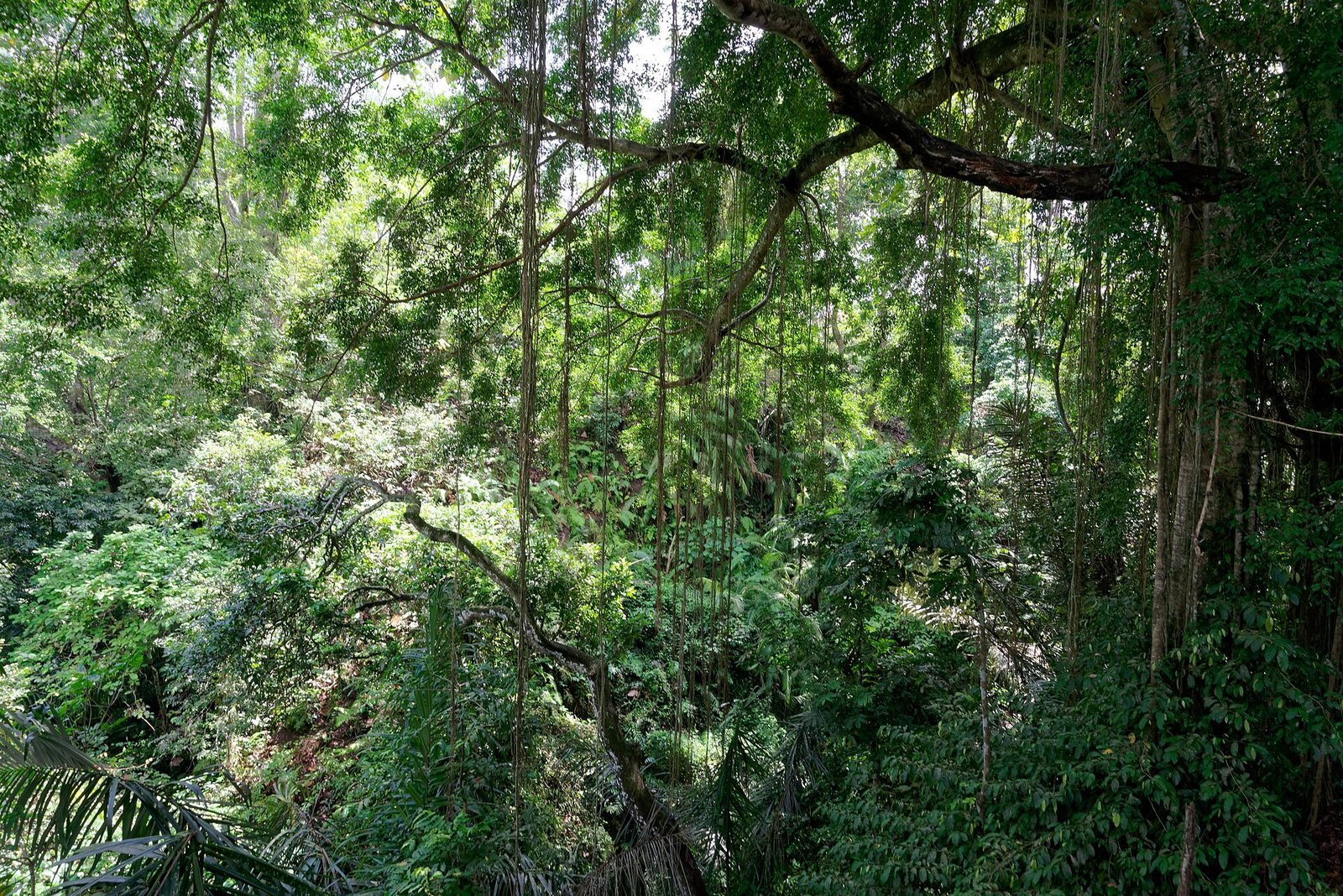
Inside the Sacred Monkey Forest, Ubud. Photo: Jakub Hałun, Wikimedia Commons (CC BY-SA 4.0).
This guide contains affiliate links. If you book through them we may earn a small commission, at no extra cost to you. How we make money
The Sacred Monkey Forest Sanctuary sits at the south end of Ubud’s main street, a ten minute walk from the palace. It is a working Hindu temple complex with a forest around it and more than a thousand long-tailed macaques living in it. The monkeys are the attraction. The temples and the trees are what make the place worth more than a monkey selfie.
This is a practical page. Price, hours, how to behave, and what to do if a macaque decides your sunglasses are now its sunglasses.
How much does the Ubud Monkey Forest cost?
The sanctuary’s website lists the entrance fee at IDR 130,000 for adults and IDR 100,000 for children. At October 2026 exchange rates that is about US$8 and US$6. There is no longer a separate weekend price on the official site, though older guides still quote one.
Klook sells an international admission ticket at US$7.95 for adults and US$6.09 for children aged 3 to 12. That is the gate price, give or take exchange rate rounding. The ticket is valid only on the date you pick, can’t be cancelled, and you still exchange the voucher for a physical ticket at the lobby. The reason to book it is paying by card in your own currency and having the ticket sorted before you arrive, not a discount.
| Where you buy | Adult | Child | Cancellation |
|---|---|---|---|
| At the gate | IDR 130,000 (about US$8) | IDR 100,000 (about US$6) | Not applicable |
| Klook international ticket | US$7.95 | US$6.09 (ages 3 to 12) | None |
Check the Monkey Forest ticket on Klook
If you are coming from the south of Bali for the day, the ticket is the small part of the cost. A private driver for the day is the usual way to see Ubud, and the Monkey Forest is a standard stop on those tours. Klook’s Ubud Highlights private day tour runs from US$12.85 per person in a group of six, with hotel pick-up from Canggu, Seminyak, Kuta and Sanur included and admissions paid separately. It has 2,000 reviews at 4.8 and cancels free with 24 hours’ notice.
What are the opening hours and when should you go?
The forest is open 09:00 to 18:00 daily, with last entry at 17:00. Hours shift during the Nyepi week in March, when the whole island closes for Silent Day.
Go at opening or after 15:00. Mornings are cooler and the macaques are active after their first feeding. The middle of the day is hot under the canopy and busiest with tour groups, since Ubud day tours tend to arrive between 11:00 and 14:00. Late afternoon light is also better for photographs under the trees.
Allow 1 to 2 hours. The paths are paved, with steps down to the river and the Holy Spring Temple, and they get slippery after rain. In the wet season bring a rain layer rather than an umbrella, which is one more thing for a monkey to grab.
What is actually inside?
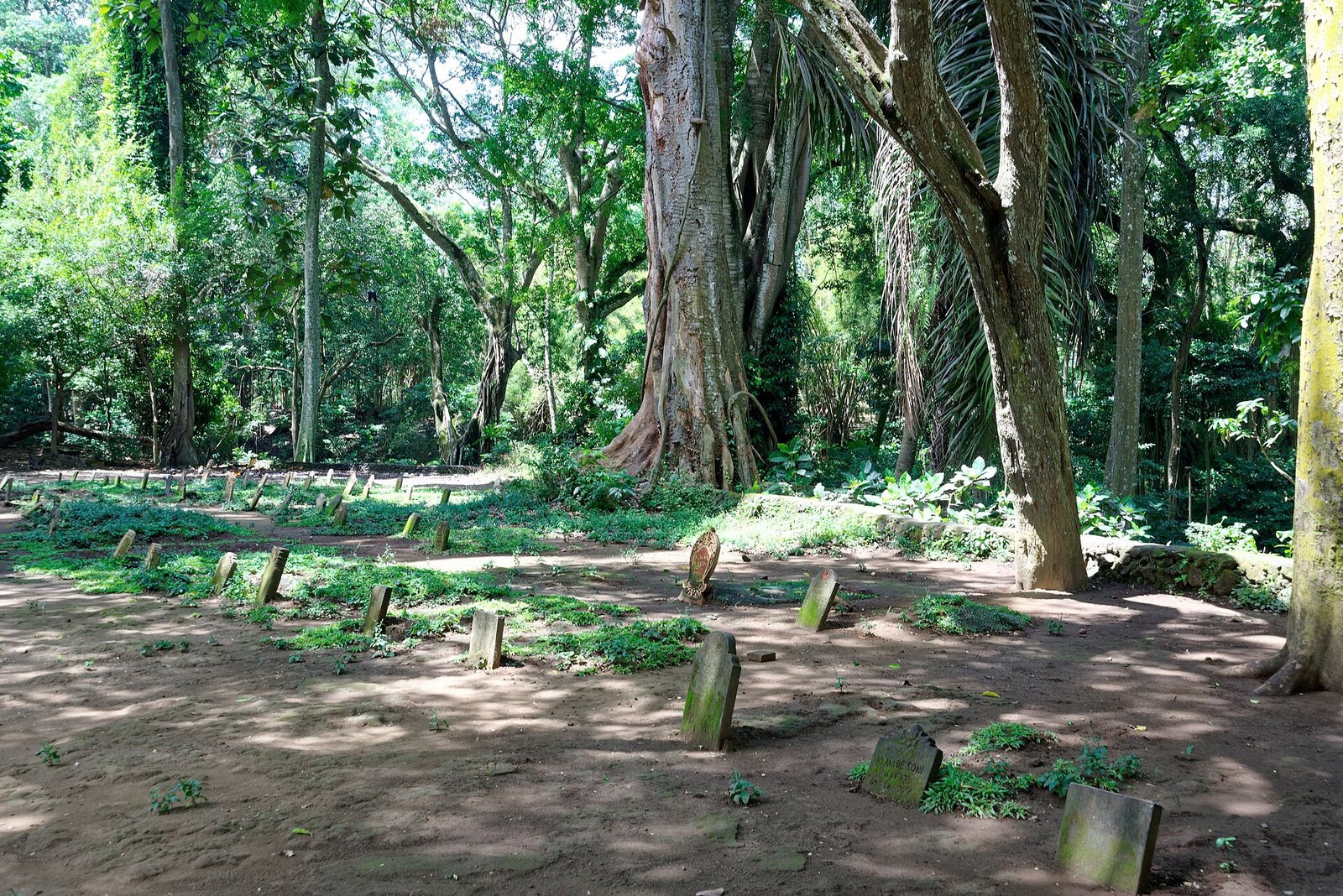
Three temples, built in the 14th century by the village of Padangtegal, which still owns and runs the sanctuary. Pura Dalem Agung Padangtegal is the main temple, dedicated to Shiva. Pura Beji, the Holy Spring Temple, sits down by the river and is used for purification. Pura Prajapati is the cremation temple next to the village cemetery. Visitors can walk around the temples but not enter the inner courtyards, which are for worshippers.
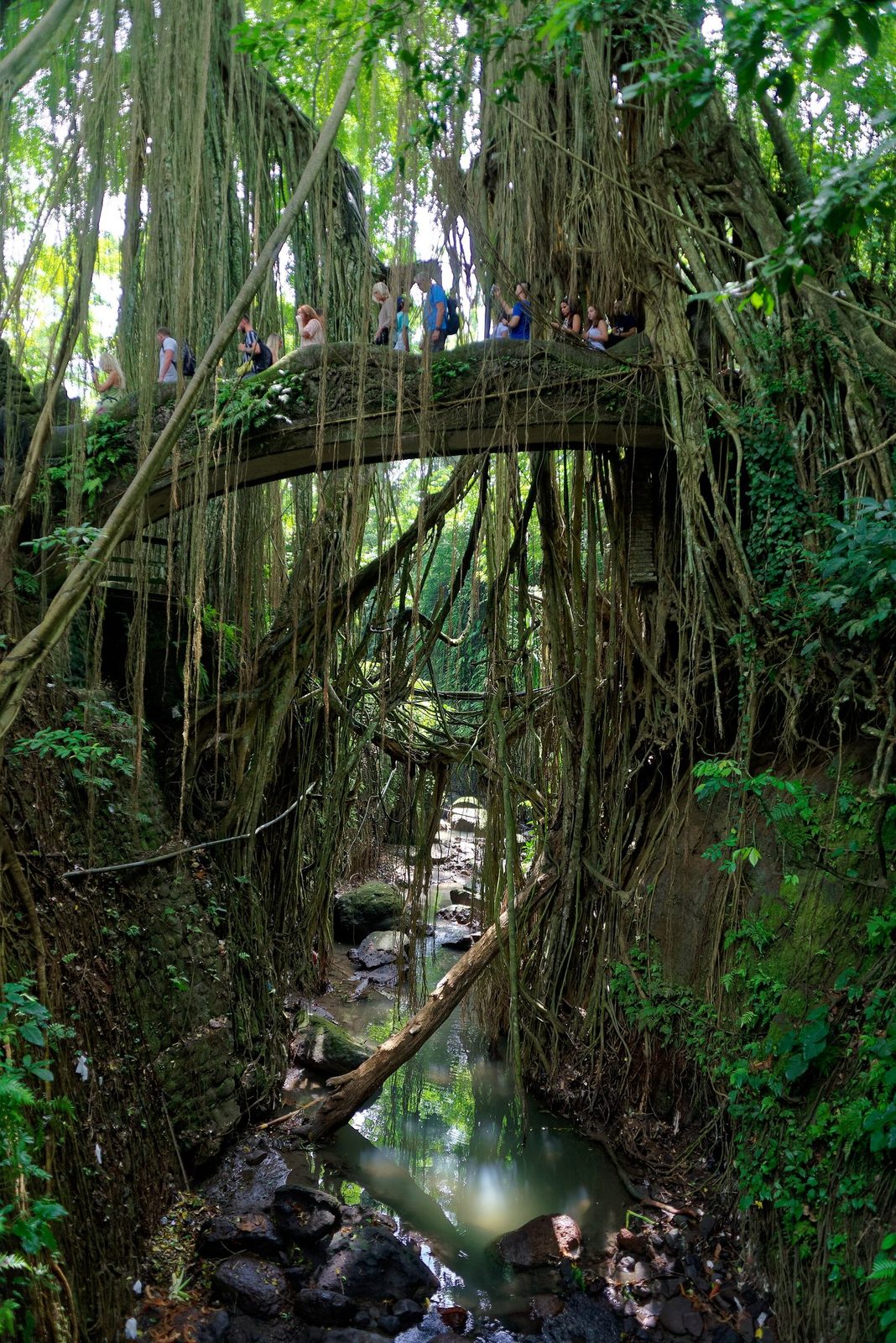
Around them is roughly 12 hectares of forest with banyan and nutmeg trees, a ravine with a stream, a dragon bridge covered in roots, and a lot of carved statues wearing a lot of moss. The macaques are split into several troops, each with its own territory, which is why you see groups of them clustered in different parts of the forest rather than spread evenly.
How do you avoid losing your sunglasses?
The sanctuary’s own guidelines are short and worth following to the letter.
Bring nothing you can’t afford to lose and keep what you do bring zipped away. Sunglasses on your head, a water bottle in a side pocket, a phone held loosely at arm’s length, dangling earrings: these are what get taken. Lockers are available in the lobby. Plastic bags are banned inside the forest entirely.
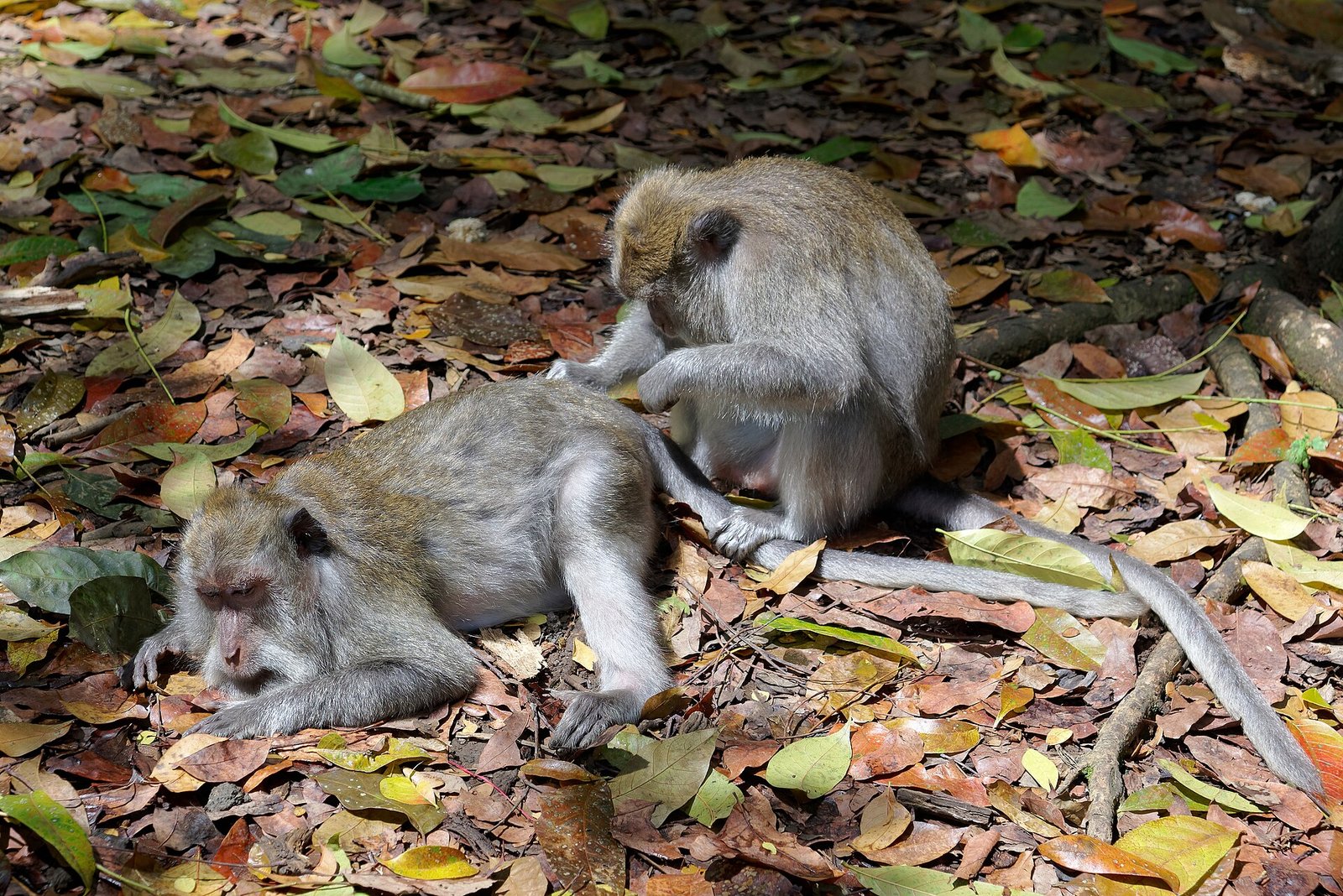
Don’t bring food or drink. The macaques know what a snack wrapper sounds like. If you have food in a bag they will find it, and the rule is that only staff feed them. Peanuts are specifically forbidden because they are bad for the monkeys.
Don’t touch them, don’t try to pick them up, and don’t stare. Direct eye contact reads as a challenge. Smiling with teeth showing reads the same way. Keep children next to you, not chasing a baby monkey for a photo.
If one climbs on you, stand still, then walk away slowly. Don’t shout, don’t run, don’t swat. It will get bored and jump off. If it has your property, don’t pull it back. Ask a staff member in uniform, who will usually trade the item back for a bit of fruit.
If you want the photo with a monkey, the sanctuary runs a staffed selfie spot for IDR 50,000 where a keeper manages the animal. That is the only sanctioned way to have one sit on your shoulder.
What if a monkey bites or scratches you?
Go straight to the first aid clinic inside the sanctuary. A nurse cleans the wound and advises on next steps.
Take the next step seriously. Bali has rabies in its animal population, and while the sanctuary’s macaques are monitored, any bite or scratch that breaks the skin from any animal in Bali is treated as a rabies exposure by travel clinics. That means washing the wound with soap and running water for 15 minutes and getting to a clinic for post-exposure vaccination the same day. Clinics in Ubud and the international hospitals in Denpasar stock it. Your travel insurance will cover it. Don’t talk yourself out of it because the scratch looks small.
Bites are not common. They happen when people break the rules above, almost always around food or when someone grabs at a monkey holding their property.
Who is the Monkey Forest for, and who should skip it?
It suits anyone staying in Ubud, since it is walkable from the centre and fills a morning. It suits families with children old enough to follow instructions, roughly six and up. It suits people who like temples and big old trees as much as animals.
It is a poor fit for toddlers, who are at macaque eye level and can’t be trusted not to reach out. It is a poor fit for anyone genuinely frightened of monkeys, because they are everywhere and some will approach you. And it is not a zoo. The animals are not behind anything, and the responsibility for keeping a distance is yours.
If you want monkeys in a more controlled setting, Bali Safari and Marine Park in Gianyar is the alternative, with a higher price and a very different feel.
How do you get there?
The entrance is on Jalan Monkey Forest, the long street that runs south from Ubud Palace. From the palace it is about 1.2 km on foot, 15 minutes at a stroll. Scooters and cars park at the lot by the entrance. If you are in a car with a driver, there is a drop-off outside the lobby.
From Canggu or Seminyak the drive is 1.5 to 2 hours each way in normal traffic, from Sanur around 1 hour 15. Nobody does that for the Monkey Forest alone. Pair it with the Tegallalang rice terraces, a waterfall and lunch in Ubud, which is exactly what the private day tours do.
FAQ
How much is the Ubud Monkey Forest ticket?
IDR 130,000 for adults and IDR 100,000 for children at the gate, according to the sanctuary's own website in October 2026. On Klook the international ticket is US$7.95 for adults and US$6.09 for children aged 3 to 12.
What are the Monkey Forest opening hours?
09:00 to 18:00 every day, with last entry at 17:00. Hours change during the Nyepi (Silent Day) week in March.
How long do you need at the Monkey Forest?
One to two hours. The paths loop through about 12 hectares of forest and three temples. Most people are done in 90 minutes.
Do the monkeys bite?
They can, usually when someone touches them, holds food, or grabs back something they've taken. The sanctuary has a first aid clinic on site. Bali has rabies, so any bite or scratch that breaks the skin needs medical follow-up the same day.
Can I feed the monkeys?
No. Only staff feed them, nine times a day. Bringing food or drink into the forest is against the rules, and plastic bags are banned too.